

Between Shadow and Light:
A Personal Mental Health Reflection

My Journey
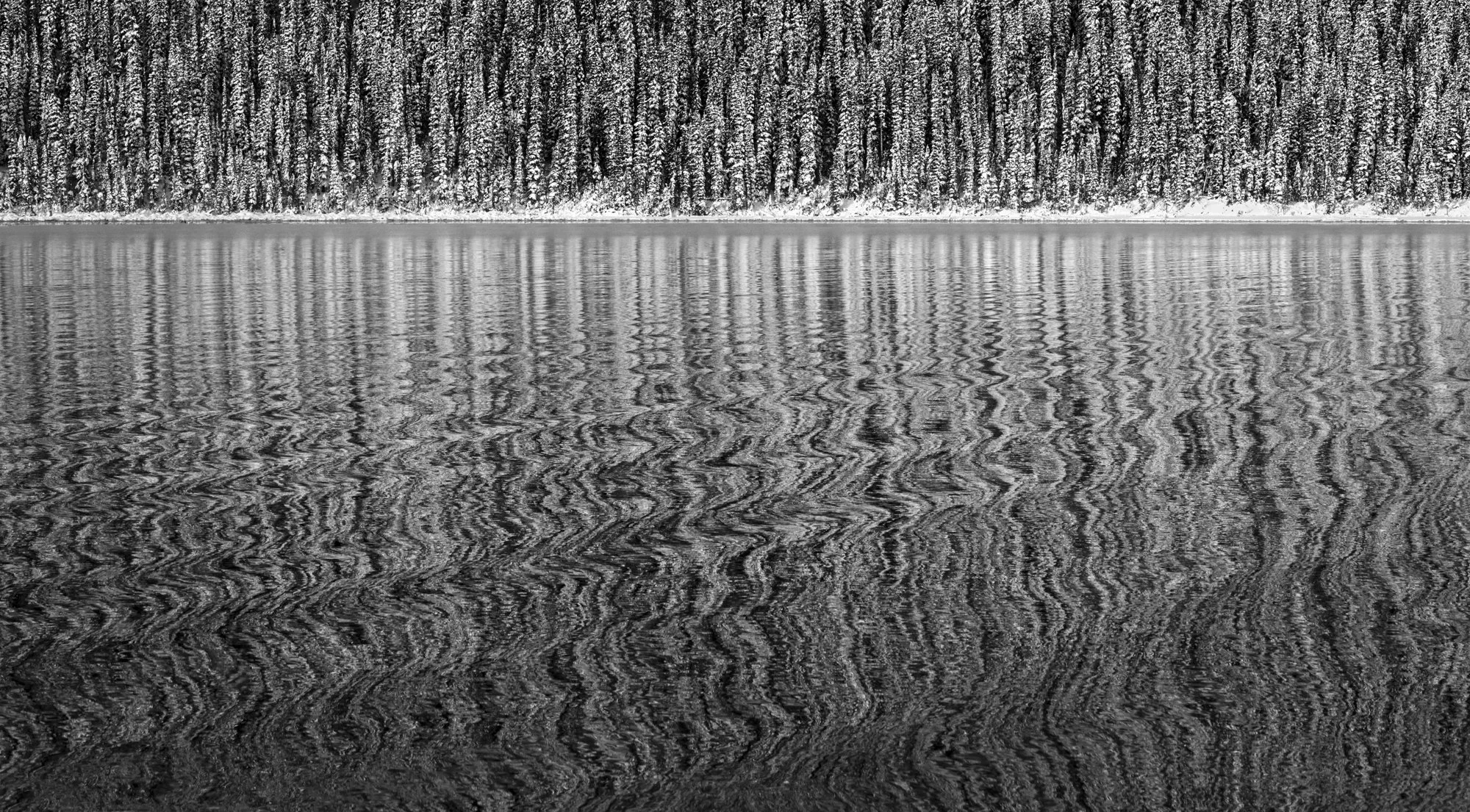
Sitting in my lawn chair overlooking the lake where I have spent years photographing, fishing, and playing with my children, I find myself longing for a joy that, for a time, felt out of reach. My mind was consumed by worry about my health, leaving me in a place of sadness and uncertainty.
This began my journey with depression and anxiety in 2009, with significant episodes in 2012, 2017, and most recently in 2026. Each taught me something different about myself. I learned that speaking openly, seeking help, and allowing others into my struggles are important parts of healing.
In 2017, I also began looking more deeply at the person I wanted to become—as a husband, father, friend, and human being. Today, I am still working through another difficult chapter, but I believe I am moving in the right direction.
Photography and my connection with nature have become an important part of that journey. They give me space to slow down, be present, and find moments of meaning. I share my story because I believe speaking openly about mental health, particularly men's mental health, can help break the silence and remind others they are not alone.
I invite you to watch Connection, a short film where I share more of my journey, and explore the resources below. I have not found all the answers. I am still learning, healing, and moving from the shadows toward greater happiness, meaning, and connection.

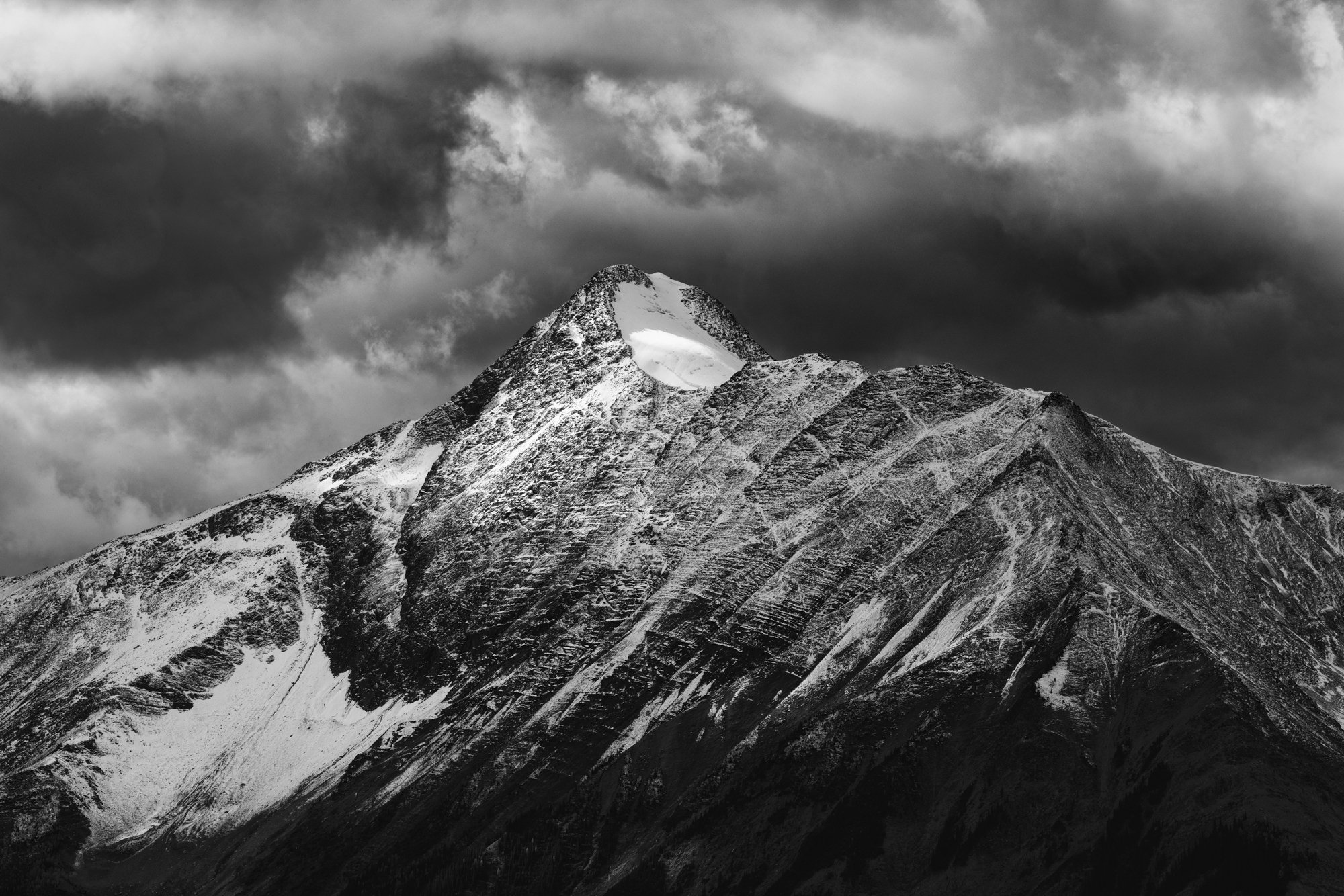


Film: Connection
Shot and edited by Trixie Pacis, written by Lee Nordbye.
A Landscape of Connection
After a particularly challenging period in 2017, I began to realize how deeply my time in the Canadian Rockies was affecting my well-being. I started calling these experiences my “Mountain Therapy Days.” Whether driving a favourite mountain highway, wandering a valley, or summiting a peak, I would return home with a smile. Over time, that smile became a more regular part of my life.
Curious about why the mountains affected me so deeply, I began exploring the relationship between nature and well-being. I kept coming back to one word: connection.
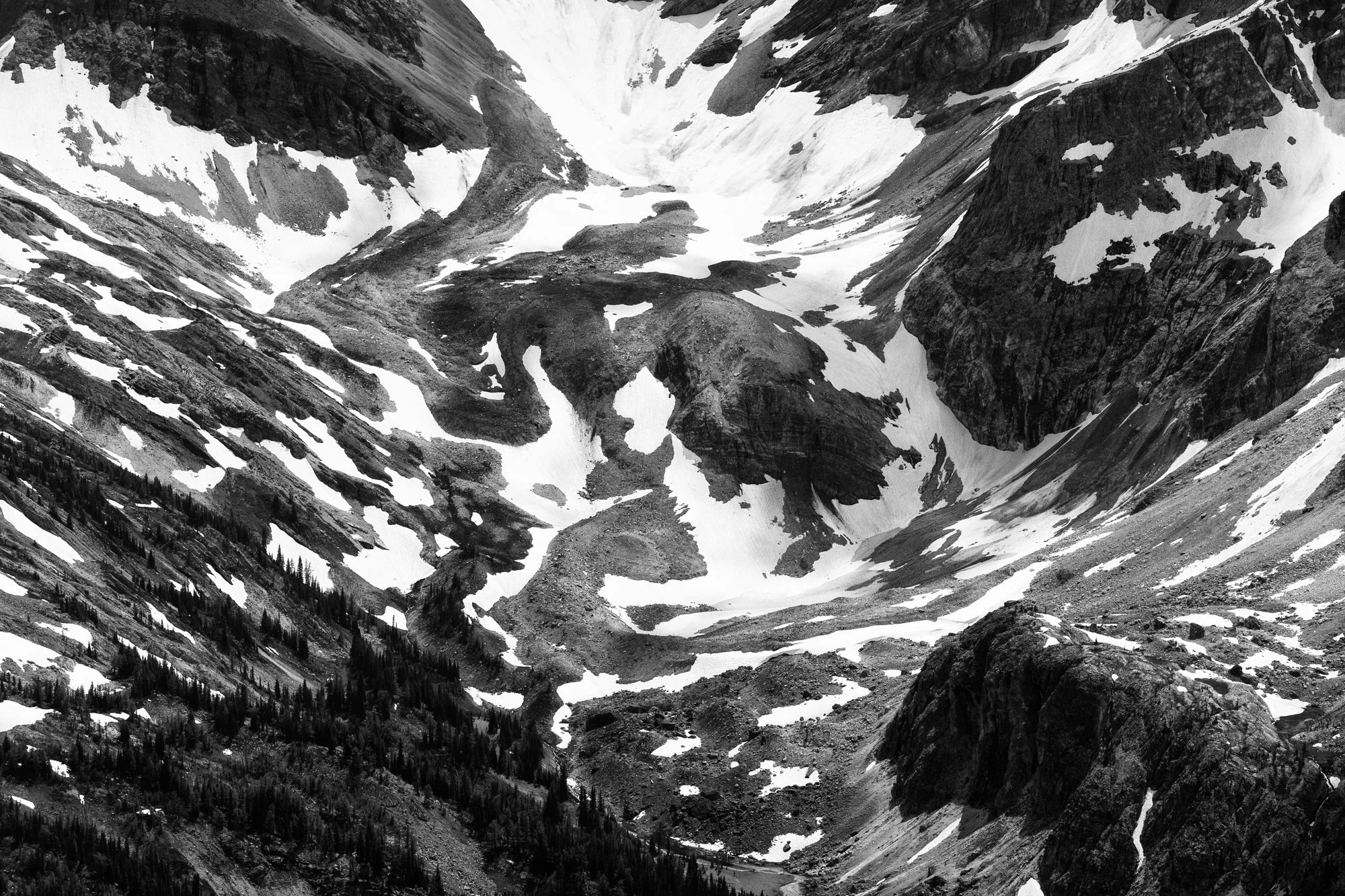
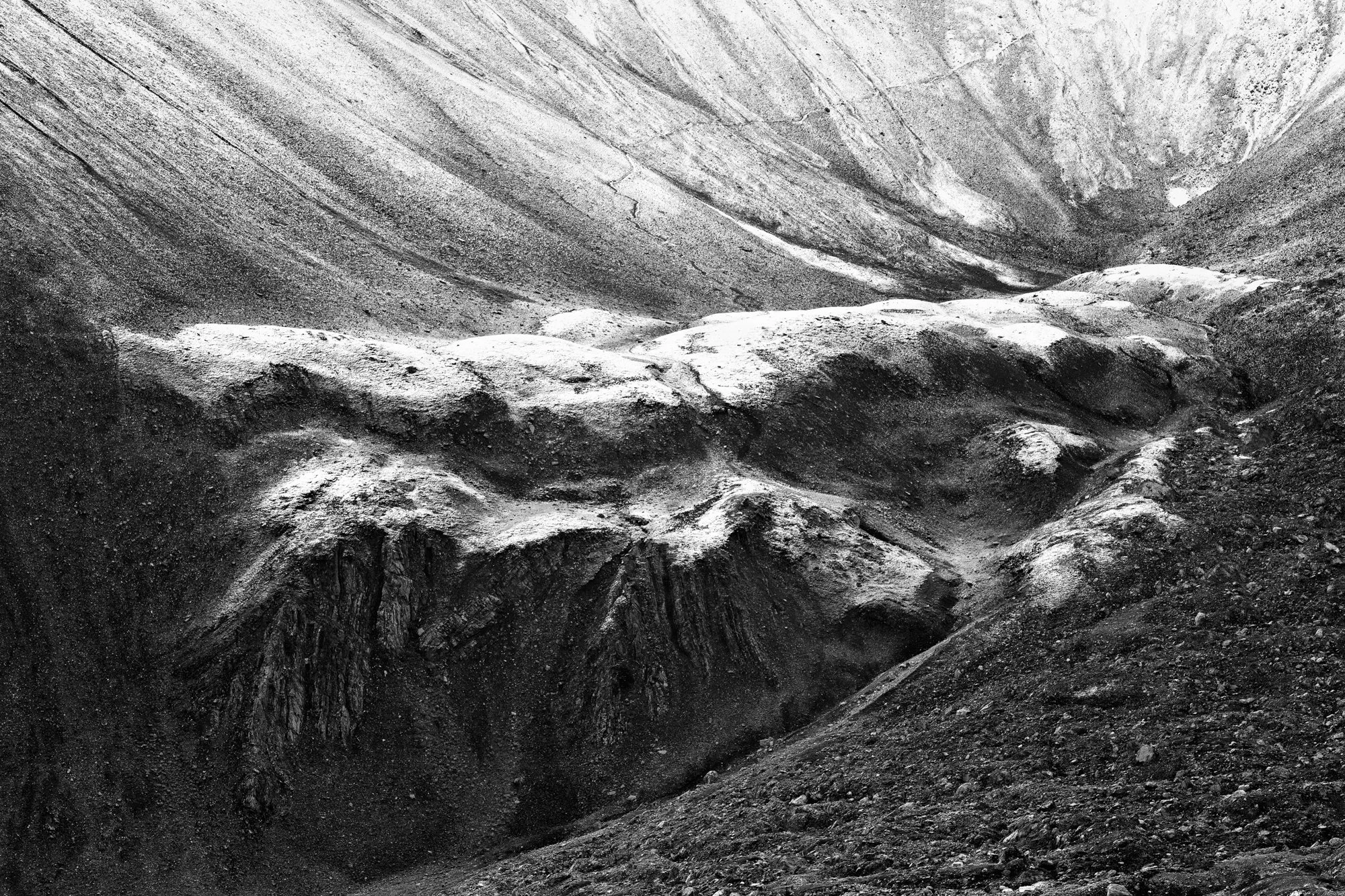
For me, connection begins with curiosity. In nature, I often find myself wondering, Why the heck, and how the heck, did nature create this? Sometimes I search for an answer, sometimes my friends and I invent our own, and sometimes I simply let the mystery remain. Those unanswered questions are often my favourite moments.
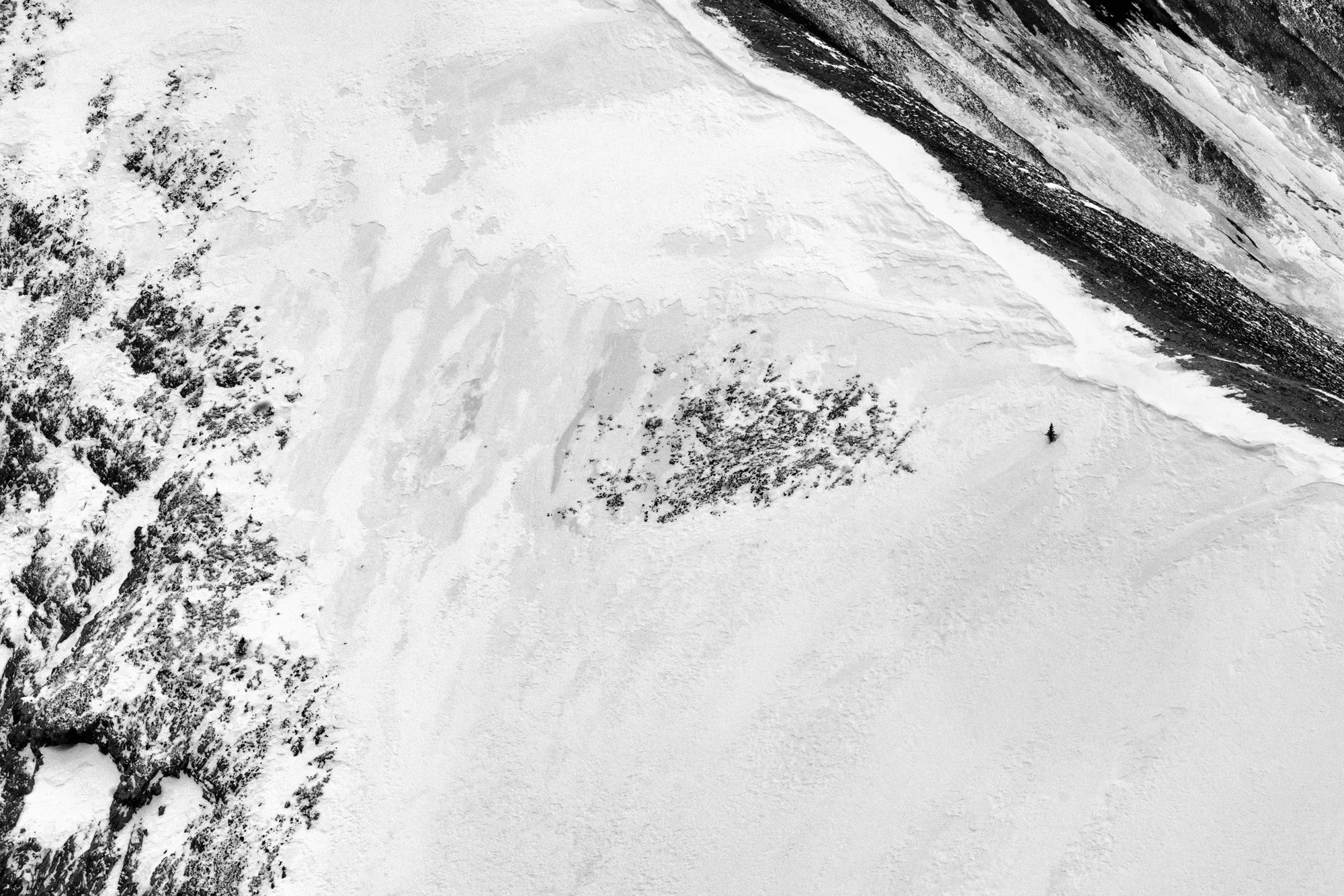
That curiosity has become central to how I experience and photograph the natural world. It slows my mind, draws me into the moment, and encourages me to look beyond the obvious—to notice patterns, textures, light, movement, and details that might otherwise go unseen.
Your connection with nature doesn't require climbing a mountain or travelling to the Canadian Rockies. It can be found anywhere—a park, a garden, a shoreline, or simply by pausing to notice what surrounds you. There is no right or wrong way to connect with nature. What matters is discovering what that connection means to you.
If sharing what I have learned encourages someone to step outside, become curious, or find their own connection with nature, then sharing my story has meaning.
Perhaps your landscape of connection is waiting for you too.
Male Mental Health
Why Male Mental Health Matters to Me
My passion for talking about men’s mental health comes from personal experience: watching my father battle depression, losing my uncle to death by suicide, experiencing my own struggles, and seeing the troubling statistics surrounding men’s mental health.
In Canada, men account for approximately 75% of suicide deaths. I find that heartbreaking. Why are so many men struggling in silence? Perhaps part of the answer is the message many of us grew up with—that men should be strong, keep their problems to themselves, and carry on. To be frank, I think that mindset is hogwash.
Admitting we are struggling does not make us weaker. I believe the opposite is true. Speaking up can be one of the most courageous things we can do. For me, talking openly about my struggles became an important part of healing.
So, to any man reading this: if something doesn't feel right, talk to someone you trust. You don't need the right words, and you don't have to figure everything out alone. I believe that one conversation at a time, we can reduce the stigma surrounding mental health and create a better place for everyone.
My Experience with Testosterone
During my struggles with depression and anxiety, my doctors discovered that my testosterone levels were low. After further investigation and working with a specialist, I began testosterone replacement therapy, which had a profound positive impact on my well-being.
I share this simply because I wish I had known earlier that physical health and hormone levels could be part of the conversation when I was struggling. For me, the warning signs included extreme fatigue, difficulty sleeping, irritability, and changes in my sexual health.
If something doesn't feel right, don't simply tell yourself to “toughen up.” Talk to your doctor. It may not be low testosterone—it could be something else entirely. What matters is understanding what is happening and being willing to ask for help.
For me, learning to speak up was one of the most important steps toward healing. I hope sharing my experience encourages another man to take that same first step.
Resources
Knowing that I was not alone and that I could seek help from various resources was very helpful. Should I ever need them again, the knowledge that they are available keeps me on track. The resources include:
Your family/personal doctor
Let's Have the Conversation
I have chosen to be open about my mental health journey—the challenges, the lessons, and what has helped me move forward. One of the most meaningful discoveries has been the power of connection with nature, particularly my time in the Canadian Rockies.
Sharing my story has become another part of that journey. Through podcasts, Zoom conversations, and live presentations, I have learned that we never truly know what someone else may be experiencing. Sometimes simply hearing, “I've been there too,” can make a difference.
I don't share my story because I have all the answers. I share it because honest conversations can help reduce the stigma surrounding mental health and remind people that they don't have to struggle alone. One conversation at a time.
If you host a podcast, organization, community group, workplace, or other audience and would like to explore mental health, my personal journey, and the role nature and connection have played in it, I would be happy to share my story, virtually or in person when possible.
Visit my Meet Lee page to learn more about my previous podcast and speaking engagements. If you'd like to connect, please contact me.